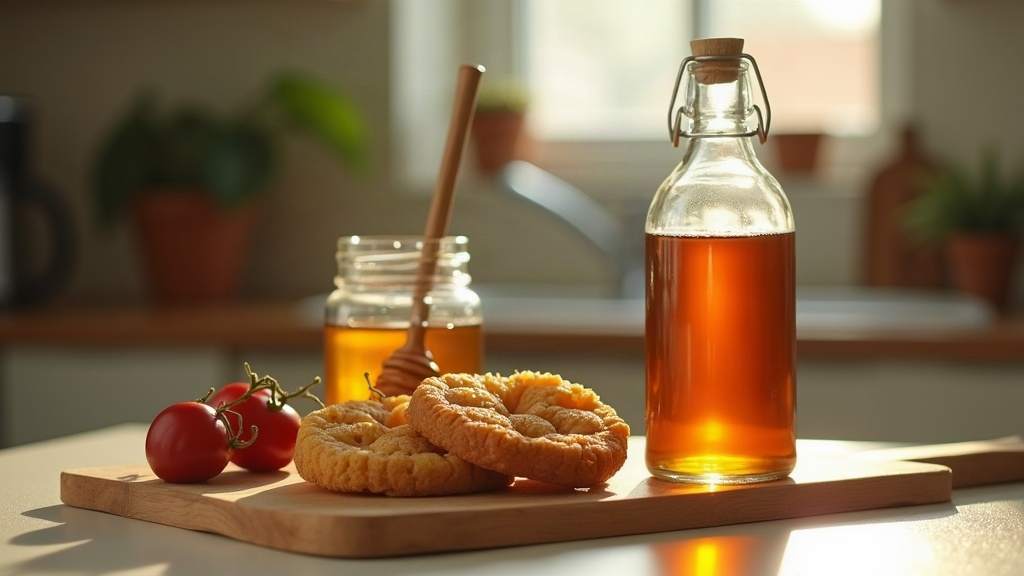
Long before food labels and tracking apps, families turned to a warm cup after eating — a tradition built around Biblical drink (oil)/ Honey blend and the quiet minutes it created after a meal. This page looks at that history, the habits around it, and where a conversation with your doctor still belongs.
Ask around and you’ll notice a pattern: the after-lunch slump, the morning fog, the constant second-guessing at the grocery store. These aren’t rare — they’re part of the daily texture of watching what you eat.
A heavy plate at noon often gives way to a sluggish, foggy afternoon — leaving many people reaching for another coffee just to get through the next meeting.
Even after a full night's sleep, breakfast can feel like a guessing game, and the wrong start seems to color the rest of the day.
Grocery aisles turn into a maze of conflicting labels, and every recommendation seems to contradict the last one someone read online.
Deciding what goes on the plate three times a day, every day, adds up to a mental load that has little to do with willpower and everything to do with fatigue.
Some of the most repeated food ideas don’t hold up once you look closer. Here are three worth revisiting.
All carbohydrates are the enemy.
Carbohydrates are a normal part of many traditional diets; it’s the type, portion, and pairing with other foods that shape how a meal feels afterward.
Fruit should be avoided entirely.
Whole fruit comes with fiber and water that behave differently than sugary snacks — many nutrition guides still include fruit as part of a balanced plate.
There’s a special ‘diabetic food’ category to shop for.
Most nutrition guidance today points toward the same balanced-plate principles for everyone — no separate aisle required, and any specific plan should come from your own healthcare provider.
None of these require a special product or a strict rulebook — just small shifts in how a meal unfolds.
Some traditional approaches suggest eating vegetables and protein before the starchier parts of a meal, letting the meal build gradually instead of starting with the heaviest bite.
Eating unhurried, with pauses between bites, gives the body — and the mind — more time to register the meal, something many cultures built into mealtime rituals long ago.
A short walk after dinner, even just around the block, has long been part of family routines in many cultures, often paired with something warm to sip afterward.
Long before nutrition science existed, communities across the Mediterranean and Near East built rituals around warm drinks after meals. Biblical drink (oil)/ Honey blend traces back to old kitchen traditions where oil and honey were combined and stirred into warm water or tea, often shared at the table once the plates were cleared. It appears in old texts and family recipes not as medicine, but as a way to mark the end of a meal — a moment of pause folded into the rhythm of the evening. In many households, the blend was passed down the way a recipe is passed down: by watching a grandmother stir it, not by reading an instruction label.
What stands out historically isn’t a claim about the body — it’s the ritual itself: a shared cup, a slower ending to the meal, a habit repeated across generations.
If afternoons regularly feel like a crash regardless of what you ate, it's worth mentioning at your next appointment rather than adjusting things on your own.
Noticeable shifts in how often you feel thirsty are worth describing to the professional who already knows your health history.
Fatigue that shows up consistently after eating, even light meals, deserves a conversation with your doctor rather than a guess at the cause.
If you're unsure whether a dietary change fits your current routine or treatment, that question belongs with your healthcare provider, not a search engine.
Any thought about changing timing, doses, or habits tied to a prescribed treatment should go through your doctor first — never adjusted independently.
You know your baseline better than anyone. When something feels off and persists, it's a reason to check in with the professional who monitors your health, not to wait it out.
These reflections describe personal routines and impressions only. They are not claims about health outcomes, and individual experiences vary. Always consult your doctor before changing your diet or treatment.
Traditions like Biblical drink (oil)/ Honey blend are about ritual, not replacement. Keep your medical care exactly as your doctor has outlined it, and let this be a small addition to how you close out a meal — never a substitute for professional guidance.
Advertising Disclosure: This page contains sponsored content and affiliate links. We may receive compensation if you click on or make purchases through links on this page. This content is provided for informational and promotional purposes and reflects a paid partnership arrangement.
Content Disclaimer: This content is for educational purposes only and has not been evaluated by the FDA. It is not intended to diagnose, treat, cure, or prevent any disease. This information does not substitute for professional medical advice, diagnosis, or treatment. Always consult a qualified healthcare professional before changing your diet, routine, or any prescribed treatment.
Results Disclaimer: Individual results and experiences vary. Testimonials shared on this page reflect personal opinions and routines and are not a guarantee of any particular outcome.
© 2026 sunnyvalefencendeck.com · All Rights Reserved